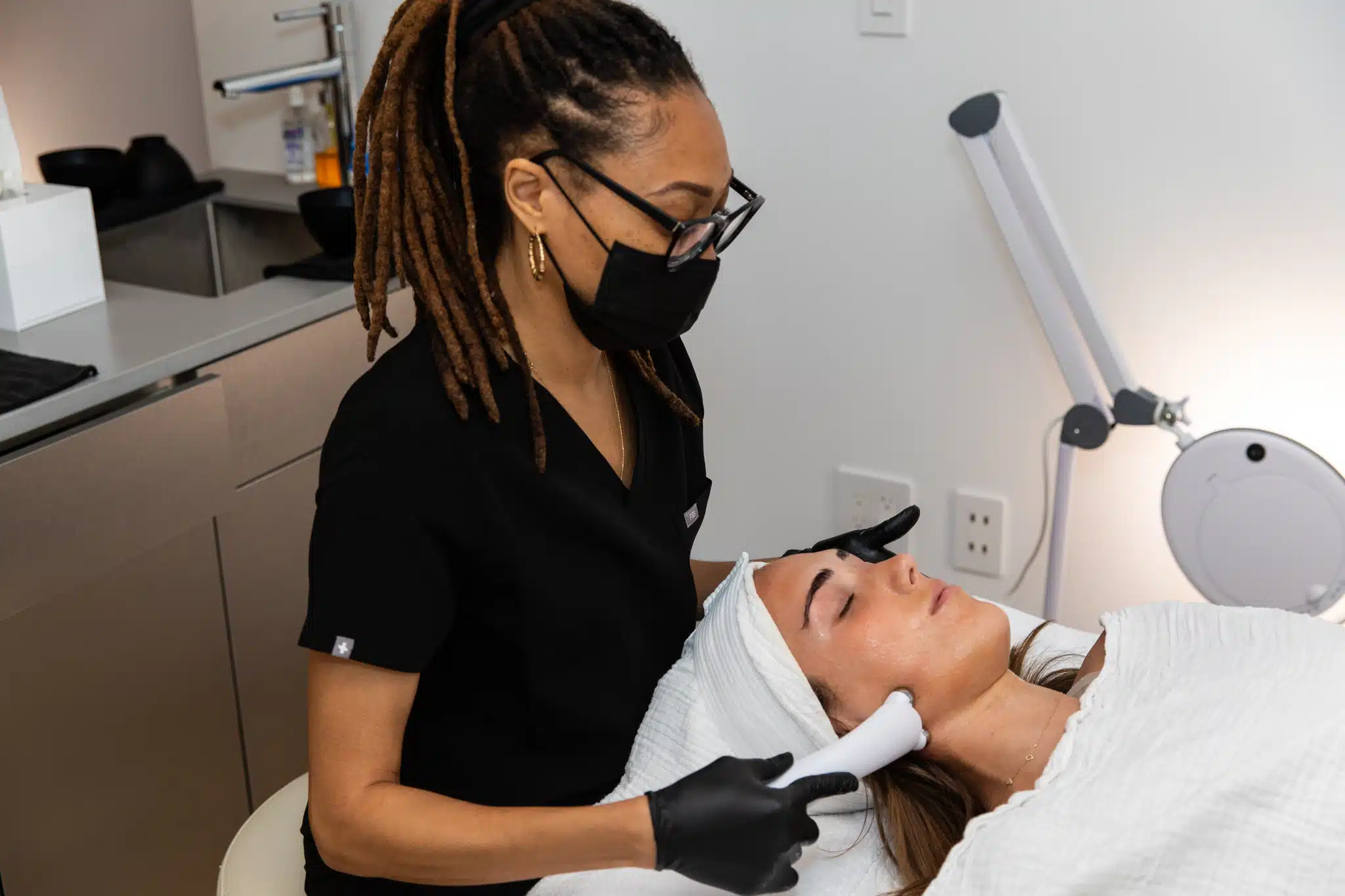
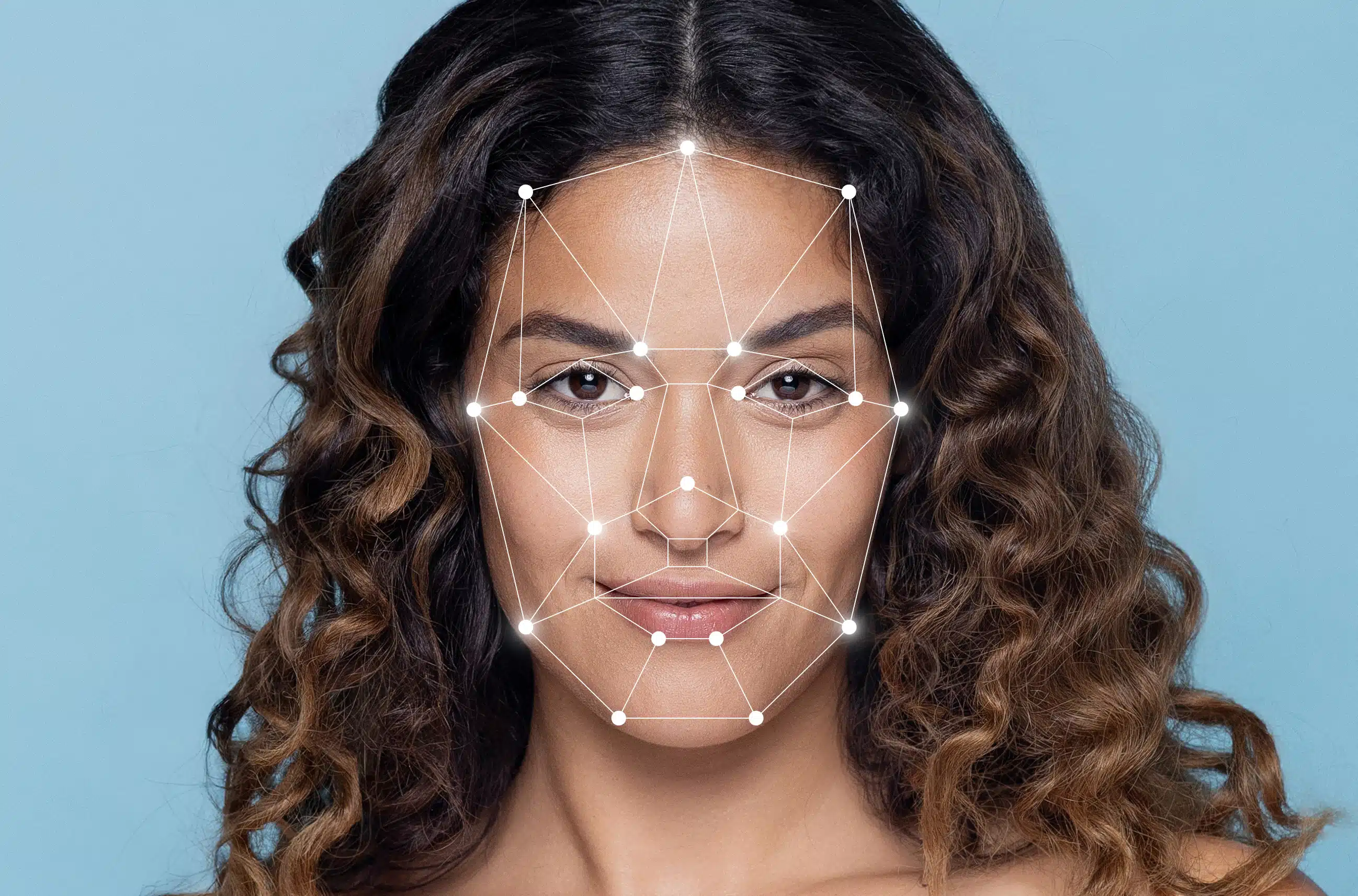
Your skin can look perfectly clear in the mirror while quietly hiding sun damage, uneven pigmentation, or clogged pores. VISIA skin analysis uses specialized lighting and imaging to catch the details ordinary photos miss. It’s not a diagnosis, and it’s far from the only way to get to know your skin, but AI skin analysis can give you a useful read in under a minute.
Here’s what VISIA actually measures, how to make sense of the results, and how it stacks up against AI tools like Silver Mirror’s Mirrosa.
What Is VISIA Skin Analysis?
VISIA is a facial imaging system made by Canfield Scientific. It photographs your face under several different lighting modes to pick up visible skin features, plus some patterns sitting just below the surface. Where a selfie gives you one flat image, VISIA uses standard, cross-polarized, and UV lighting, each one revealing something different.
Skincare professionals use those images to assess concerns and track how your skin changes over time. The scan is non-invasive, but it won’t diagnose a skin condition or stand in for a dermatologist.
What Does VISIA Measure?
VISIA looks at eight skin features, each one telling you something different about your complexion:
- Spots: visible brown or red marks that stand out from the skin around them
- Wrinkles: fine lines and deeper creases
- Texture: how smooth or uneven the skin’s surface is
- Pores: the size and visibility of your pores
- UV spots: pigmentation that shows up under UV light
- Brown spots: brown pigmentation and discoloration
- Red areas: redness tied to visible blood vessels or inflammation
- Porphyrins: bacterial byproducts linked to acne-prone pores
All of this helps you see which concerns are worth your attention. Brown spots and UV spots, for instance, tell you different things about pigmentation versus sun exposure. What the scan can’t do is tell you the cause of every mark or confirm a condition, so anything persistent, changing, or unusual is worth having a dermatologist look at.
How Do You Read VISIA Results?
VISIA often gives you percentile scores that compare your skin against a reference database. A percentile isn’t how much “damage” you have, it’s how one measurement compares to a reference group, and what it means shifts depending on the feature.
Try not to read your results like a report card. The numbers only mean something with context: your concerns, your history, what you’re actually trying to achieve. The images are genuinely useful for tracking changes between appointments, as long as the scans are taken under the same conditions each time, since makeup, oil, and even how you’re positioned can throw off the comparison. The real value comes from going through the results with a professional, not staring at individual scores.
VISIA vs. AI Skin Analysis: What’s the Difference?
Both help you explore your skin, they just go about it differently. VISIA runs on dedicated equipment with controlled lighting, usually at a provider’s office and often as part of a paid consultation. AI skin analysis works from a photo you take yourself, which makes it a much easier place to start.
Here’s how they compare:
- How it works: VISIA uses a dedicated imaging system with multiple lighting modes. AI analysis reads a photo using software.
- Where you use it: VISIA means going somewhere with the machine. AI works from your own phone, wherever you happen to be.
- Cost and speed: VISIA usually involves an appointment and a fee. AI tools like Mirrosa are quick, and in Mirrosa’s case, free.
- Best for: VISIA shines for detailed imaging and tracking changes over time. AI is perfect for exploring your concerns and getting a quick starting point.
- Limitations: VISIA needs equipment and careful interpretation. With AI, lighting, photo quality, and the algorithm all shape the results.
Neither one is a medical diagnosis. VISIA makes sense if you want standardized images to watch over time. But if you just want to understand your skin and figure out where to begin, AI skin analysis is the faster, easier first move, no appointment, no equipment, nothing to book.
Meet Mirrosa, AI Skin Analysis You Can Do Right Now
Mirrosa is our free AI skin analysis tool, and we built it to make understanding your skin genuinely simple.
It takes about a minute. You upload three photos, front, left, and right, answer a few quick questions, and Mirrosa hands you personalized recommendations for facials, add-ons, and skincare products matched to your skin. No appointment, no equipment, no cost. Just a fast, useful read from your phone.
Mirrosa isn’t trying to replace the detailed imaging of a system like VISIA, and it’s not a medical diagnosis. What it does really well is give you a quick, personalized head start, so you show up to your facial already knowing what your skin wants, or find the right products without second-guessing yourself. For most people who just want to understand their skin and take the next step, that’s exactly the point.
Is VISIA Worth It?
Depends what you’re after. If you want structured, standardized imaging to keep an eye on pigmentation, pores, wrinkles, or sun damage over the years, VISIA gives you that detailed view. But you don’t need a specialized machine to start understanding your skin. For most people, a free AI skin analysis is the simplest first step, as long as you remember what it can and can’t do. The point was never to chase a perfect score, it’s to make smarter choices about your skin.
Explore Your Skin With Mirrosa
Curious what your skin actually needs? Try Mirrosa’s free AI skin analysis, you’ll have a personalized read in under a minute, then book the facial that fits.
Frequently Asked Questions
Can VISIA skin analysis predict how my skin will look in 10 years?
No. VISIA captures your skin as it is now and lets you compare over time, but it can’t reliably predict your exact future appearance.
Does VISIA skin analysis work on darker skin tones?
It assesses several features, but results depend on the specific measurement and reference data. A professional should read the findings in the context of your skin.
Can VISIA detect skin cancer?
No. VISIA isn’t a skin cancer screening or diagnostic tool. Have any suspicious, changing, or unusual spots checked by a dermatologist.
What is Mirrosa?
Mirrosa is Silver Mirror’s free AI skin analysis tool. Upload three photos, answer a few questions, and get personalized facial, add-on, and product recommendations in under a minute, no appointment needed.
Can AI skin analysis replace a professional assessment?
No. A tool like Mirrosa is a convenient way to start exploring your concerns, not a medical diagnosis. For anything persistent or concerning, see a dermatologist.
Was this article helpful?
Thanks for letting us know.
By