If you’re still squeezing your breakouts, it might be the very reason they keep coming back.
At-home extractions can feel productive in the moment – like you’re speeding up the healing process. But in reality, improper extractions often push bacteria deeper into the skin, trigger inflammation, and increase the risk of long-term damage.
The truth is, clearing acne isn’t about force, it’s about strategy. In this guide, we’ll break down why at-home extractions make acne worse, what’s actually happening beneath the surface, and what to do instead for clearer, healthier skin.
Why Squeezing Acne Feels Helpful (But Isn’t)
There’s a reason so many people reach for the mirror when they see a breakout. When a pimple forms, especially one with a visible whitehead, it creates the illusion that it’s “ready” to be removed.
And sometimes, you do see immediate results:
-
The bump looks flatter
-
Redness temporarily decreases
-
It feels like progress
But this is often misleading.
What you’re seeing is only part of what’s happening inside the pore. Acne is not just a surface issue, it’s a deeper inflammatory condition involving oil, bacteria, and dead skin cells.
What Actually Happens When You Pick or Squeeze Acne
When you apply pressure to a blemish, especially without proper technique or tools, several things can go wrong:
1. You Push Bacteria Deeper Into the Skin
Instead of removing the blockage cleanly, squeezing can rupture the pore wall. This allows bacteria, oil, and debris to spread into surrounding tissue, leading to more inflammation and often a larger breakout.
2. You Increase Inflammation
Trauma to the skin triggers your body’s inflammatory response. That means more redness, swelling, and a longer healing time.
3. You Delay Healing
What could have healed in a few days may now take over a week, or longer, due to irritation and damage.
4. You Risk Acne Scars and Dark Spots
One of the biggest concerns with at-home extractions is long-term damage. Picking significantly increases your chances of:
-
Post-inflammatory hyperpigmentation (dark spots)
-
Post-inflammatory erythema (red marks)
-
Permanent acne scarring
Not All Acne Should Be Extracted
Another common mistake is assuming every breakout should be extracted. That’s not the case.
Acne Types That Should NOT Be Squeezed:
-
Cystic acne (deep, painful bumps under the skin)
-
Inflamed papules (red, swollen pimples without a head)
-
Hormonal acne (often along the jawline and chin)
Attempting to extract these can make them significantly worse.
Acne That May Be Extractable (With Caution):
-
Mature whiteheads close to the surface
-
Blackheads (non-inflamed clogged pores)
Even then, technique and timing are everything, which is why professional care is often the safest route.
Why Professional Extractions Are Different
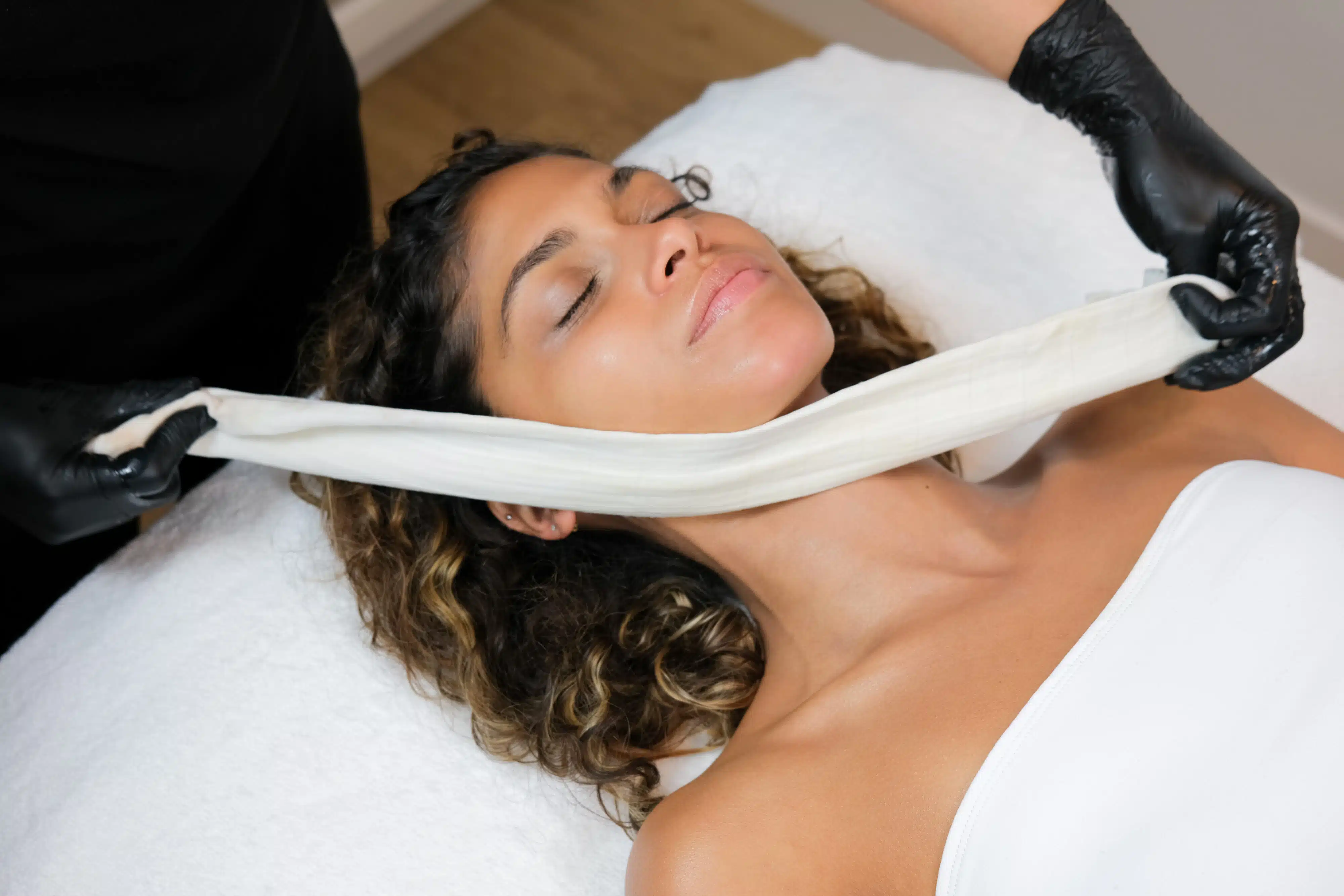
Professional extractions are not just “better squeezing.” They are a controlled, hygienic process designed to remove congestion without damaging the skin.
What Makes Them Safer:
-
Sterile tools minimize the risk of infection
-
Proper technique prevents trauma to surrounding tissue
-
Skin prep softens pores, making extraction easier and safer
-
Trained assessment ensures only the right blemishes are treated
A licensed esthetician understands how to work with your skin, not against it.
The Right Way to Clear Acne Without Causing Damage
If you’re trying to improve breakouts, the goal should be reducing congestion and inflammation, not forcing pimples out.
Here’s what actually works:
1. Focus on Consistent, Gentle Cleansing
Over-cleansing or using harsh scrubs can damage your skin barrier and worsen acne. Stick to a gentle cleanser that removes oil and buildup without stripping your skin.
2. Use Targeted Acne Ingredients
Look for ingredients that treat acne at the source:
-
Salicylic acid to unclog pores
-
Benzoyl peroxide to kill acne-causing bacteria
-
Niacinamide to reduce inflammation
-
Retinoids to regulate cell turnover
3. Don’t Skip Hydration
Many people with acne avoid moisturizer, thinking it will make breakouts worse. In reality, dehydrated skin can produce more oil, leading to more acne.
4. Protect Your Skin Barrier
A compromised barrier makes acne harder to heal. Avoid:
-
Over-exfoliating
-
Mixing too many actives
-
Using overly aggressive treatments
5. Be Patient
Acne is not an overnight fix. Consistency over time will always outperform aggressive, short-term habits like picking.
What to Do Instead of Picking
Breaking the habit of squeezing can be tough, but replacing it with better alternatives makes a big difference.
Try This Instead:
-
Apply a targeted spot treatment
-
Use hydrocolloid patches to protect the blemish
-
Ice inflamed breakouts to reduce swelling
-
Keep your hands busy (seriously—it helps break the habit)
When to Consider Professional Treatments
If you’re dealing with persistent or recurring breakouts, professional treatments can help address the root cause more effectively.
Treatments That Can Help:
-
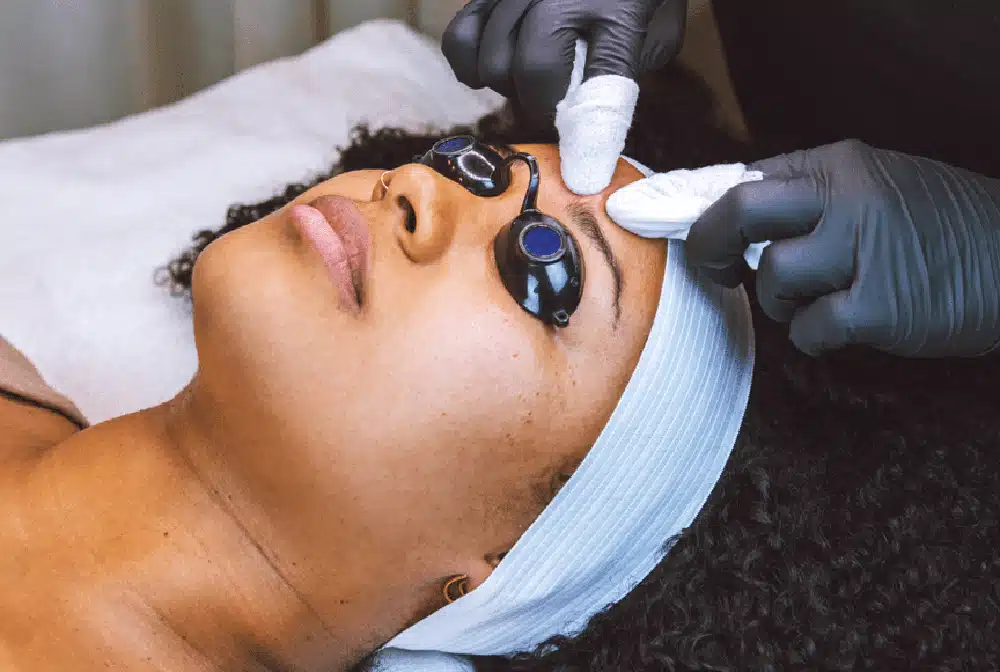
Deep-cleansing facials with extractions
-
Chemical peels to reduce congestion
-
LED light therapy to calm inflammation
-
Customized skincare plans based on your skin type
These approaches work with your skin’s natural processes rather than disrupting them.
The Long-Term Impact of Extraction Mistakes
One of the biggest misconceptions about acne is that it’s temporary. While breakouts may come and go, the damage from improper handling can last much longer.
Repeated picking and squeezing can lead to:
-
Chronic inflammation
-
Uneven skin texture
-
Persistent discoloration
-
Permanent scarring
In other words, the habit you think is helping may actually be prolonging your skin concerns.
Final Takeaway
If there’s one thing to remember, it’s this: acne doesn’t need to be forced out, it needs to be treated correctly.
At-home extractions might feel satisfying in the moment, but they often do more harm than good. By focusing on proper skincare, avoiding unnecessary trauma, and seeking professional guidance when needed, you can clear breakouts more effectively—and protect your skin long-term. Book an Acne-Fighting Facial at Silver Mirror to better understand how to treat your acne.
By