In this article
If your skin seems to get shiny or it feels like a breakout shows up the moment you skip part of your routine, you’re not alone. Oily skin is incredibly common, and while it’s frustrating, it’s something you can get under control once you understand what’s happening beneath the surface.
In this blog, we’ll break down why some skin types produce more oil than others, what a truly effective oily-skin routine looks like, and a few lifestyle tweaks that can help keep everything in balance. When you know what your skin responds to, it becomes much easier to cut down the shine, calm breakouts, and keep your complexion looking clear and healthy.
What Are the Causes of Oily Skin?
Definition of Oily Skin
Oily skin is a skin type characterized by an overproduction of sebum—your skin’s natural oil—coming from your sebaceous glands. Sebum itself is not a bad thing; in fact, it’s essential for protecting and moisturizing the skin. But when the skin produces too much of it, the result is unwanted shine, clogged pores, and an increased likelihood of breakouts.
Causes of Oily Skin
Several factors contribute to excess oil production:
- Hormonal Changes
Fluctuating hormones can stimulate the sebaceous glands. This is why oily skin and acne often flare during puberty, menstrual cycles, pregnancy, or times of increased stress. - Genetics
If one or both of your parents have oily skin, there’s a strong chance you inherited it. Genetics largely determine pore size and sebum activity. - Medications
Certain medications—especially those that affect hormones—can trigger an increase in oil production.
Characteristics of Oily Skin
If you have oily skin, you’ll likely experience:
- A shiny or greasy appearance, especially in the T-zone
- Enlarged or more visible pores
- Frequent breakouts or clogged pores
- Makeup that tends to slip off by midday
- A thicker-feeling skin texture compared to other skin types
Understanding these traits helps you choose the right products and techniques to keep your skin balanced instead of battling it.
Purpose of This Guide
This article will break down how to manage, treat, and understand oily skin—from building a proper routine to adjusting lifestyle habits. With a few strategic changes, oily skin can become not only manageable but one of your greatest skincare strengths (oil helps keep the skin youthful!).
The Importance of a Proper Skincare Routine for Oily Skin
A well-structured routine is essential for maintaining the health of oily skin. While you can’t change your genetics or eliminate oil completely (nor should you try), the right approach can help regulate sebum production, prevent breakouts, and support overall skin health.
A balanced oily skin care routine typically includes:
- Cleansing
- Exfoliating
- Toning
- Moisturizing
- Sun Protection
Each step plays an important role in controlling oil while preserving the skin’s natural barrier. Consistency is key—proper care makes a significant difference in reducing shine, minimizing breakouts, and improving texture over time.
Example of an Oily Skin Care Routine
Here’s a step-by-step routine designed to keep oily skin clear, balanced, and healthy.
1. Cleansing
Begin and end your day with a gentle but effective cleanser.
- Use a gel or foaming cleanser formulated for oily skin.
- Wash with lukewarm water, which helps remove debris without stripping the skin.
- For deeper cleansing, consider a clay-based or charcoal cleanser a few times a week to draw out impurities.
- Avoid over-washing—stripping the skin of oil can actually trigger more oil production.
2. Exfoliating
Exfoliation helps remove dead skin cells that can trap oil and lead to clogged pores.
- Choose chemical exfoliants like AHAs (glycolic acid) or BHAs (salicylic acid).
- BHAs are especially effective for oily skin since they dissolve oil inside the pore.
- Exfoliate 1–3 times per week, depending on your skin’s tolerance.
- Avoid harsh scrubs or daily exfoliation, which can irritate the skin and worsen oiliness.
3. Toning
A toner helps rebalance the skin after cleansing and prepares it for the next steps.
- Opt for alcohol-free toners to prevent over-drying.
- Look for ingredients like:
- Witch hazel (natural astringent)
- Niacinamide (reduces oil production and minimizes pores)
- Witch hazel (natural astringent)
Toning can help refine texture and keep the skin looking smooth and fresh.
4. Moisturizing
Contrary to popular belief, oily skin needs moisturizer. Skipping it can drive the skin to produce more oil.
Choose a lightweight, oil-free moisturizer with hydrating ingredients such as:
- Hyaluronic acid
- Glycerin
Moisturizers that are gel-based or water-based are ideal—they hydrate without adding heaviness or shine.
5. Sun Protection
SPF is non-negotiable for every skin type, including oily skin.
- Select an oil-free, broad-spectrum sunscreen with SPF 30 or higher.
- Gel, water-based, or mineral formulas typically feel lighter on oily skin.
- Daily sunscreen use not only protects from UV damage but also prevents dark spots from post-acne marks.
Dietary and Lifestyle Changes to Control Excess Oil
Topicals are only one piece of the puzzle. Your daily habits impact your skin significantly, and practicing a few mindful changes can help reduce oil production and improve clarity.
Balanced Diet
What you eat affects your skin’s behavior.
- Prioritize fruits, vegetables, whole grains, and lean proteins.
- Healthy fats—like avocado, nuts, and salmon—support skin barrier function.
- Limit processed foods, sugary snacks, and greasy meals, which can contribute to inflammation and excess oil.
Hydration
Aim for at least 8 glasses of water per day. Hydrated skin is more balanced and less likely to overproduce oil.
Stress Management
Stress triggers hormonal shifts that increase sebum production.
Try incorporating:
- Meditation
- Yoga
- Deep breathing exercises
- Light movement or stretching during breaks
Even a few minutes each day can make a noticeable difference.
Avoid Touching Your Face
Constantly touching your face transfers bacteria, oil, and dirt—a recipe for clogged pores and breakouts. Be mindful during the day and avoid picking at blemishes.
Oily Skin Problems? Get Your Glow Back With Silver Mirror Facial Bar
Managing oily skin is absolutely possible once you understand its causes and needs. From a consistent oily skin care routine to lifestyle improvements and gentle natural remedies, achieving clear, balanced skin is all about finding the right combination.
Oily skin is not your enemy—when cared for properly, it can look radiant, smooth, and youthful.
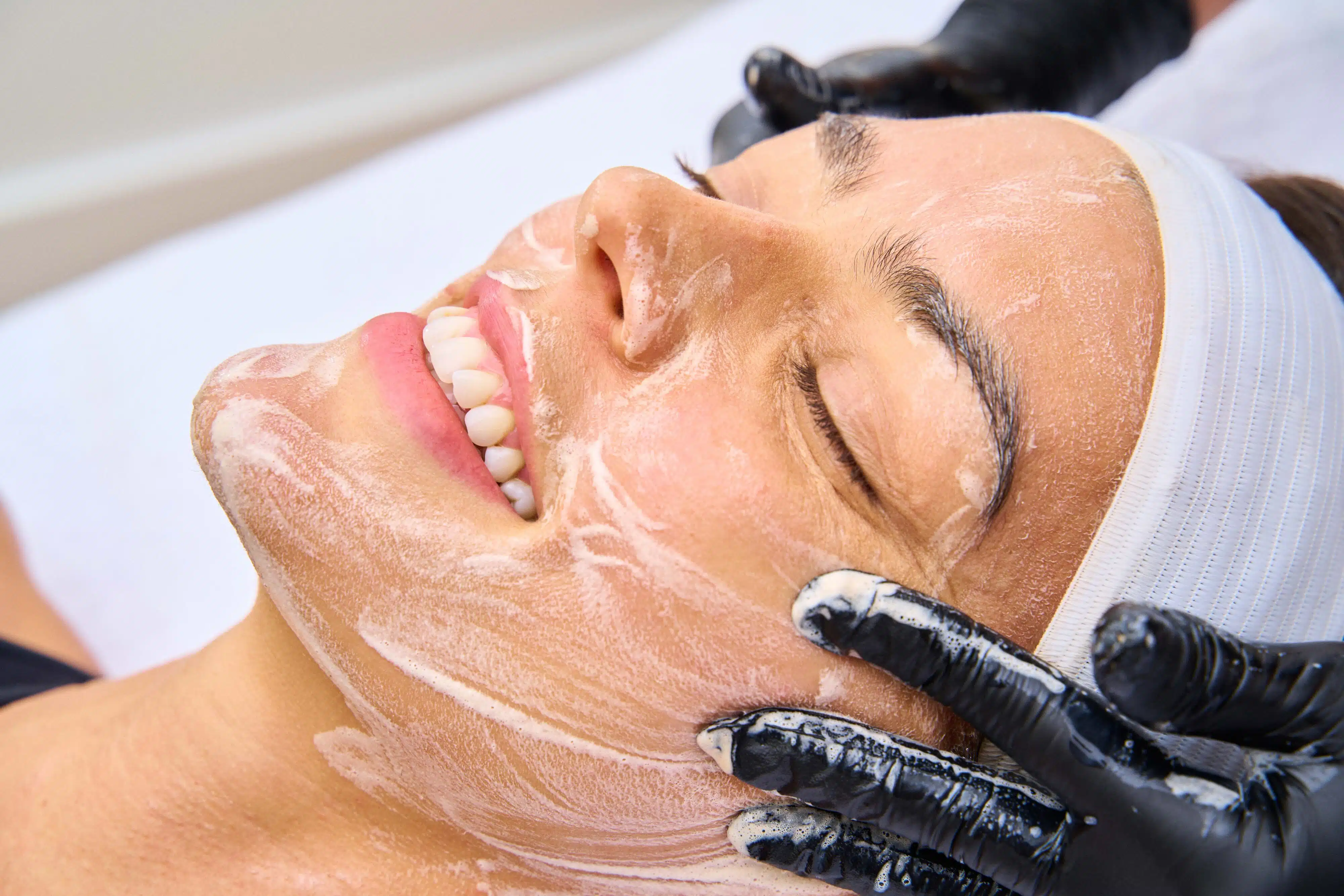
If you’re ready for expert support, our Acne-Fighting Facial at Silver Mirror is designed specifically to help reduce excess oil, combat breakouts, and restore clarity to the skin.
Book your facial today and get your glow back.
Was this article helpful?
Thanks for letting us know.
By