The sun spots that surface after summer are accumulated, UV-driven hyperpigmentation, and fall is the ideal time to treat them with professional brightening treatments, targeted ingredients, and consistent daily SPF. If your tan has faded and left uneven tone behind, this is the season to act.
It’s one of the most common end-of-summer skin complaints. The glow fades, and suddenly you’re noticing dark spots and patchiness that seem to have appeared out of nowhere. They didn’t, really; they were building all summer.
The good news is that hyperpigmentation is treatable with the right, consistent approach. The honest news is that it rarely disappears overnight. Below, we cover what hyperpigmentation actually is, why sun spots show up after summer, why fall is the right time to treat them, and how our estheticians help.
What Is Hyperpigmentation?
Hyperpigmentation refers to areas of skin that appear darker than the surrounding skin because of excess melanin production. Melanin is your skin’s natural pigment, and when it overproduces in certain spots, you get that uneven, darkened look.
It comes in a few main forms, and telling them apart matters:
- Sun spots develop from cumulative UV exposure over time, which is why they multiply after a sunny season
- Post-inflammatory hyperpigmentation is the dark marks left behind by breakouts, picking, or irritation
- Melasma is driven by hormones and heat, and tends to appear as larger patches
Identifying which type you’re dealing with is important, because it guides the right treatment approach. Melasma in particular behaves differently from sun spots and often needs professional guidance to manage well, so a proper assessment is always the first step.
Why Sun Spots Appear After Summer
Sun spots are the result of cumulative UV exposure that builds over a whole season, not the consequence of a single afternoon at the beach. Every unprotected hour adds up, and by the end of summer, it shows.
A tan complicates the picture. While you have it, it temporarily masks uneven tone by darkening everything fairly evenly. Then the tan fades in fall, the surrounding skin lightens, and the spots that were hiding in plain sight suddenly stand out.
Heat plays a role too. Inflammation and heat over the summer can deepen existing pigmentation, making spots you already had look darker. All of which is why end-of-summer is when so many people first realize just how much pigmentation has developed.
Why Fall Is the Best Time to Treat Hyperpigmentation
Timing genuinely matters with pigmentation, and fall has real advantages.
Sun exposure is lower and less intense in fall, which reduces the risk of new spots forming while you’re actively treating the old ones. That’s a bigger deal than it sounds, because many of the most effective brightening actives and professional exfoliation treatments can temporarily increase sun sensitivity. Doing that work when the sun is weaker is simply safer.
Starting in fall also gives your skin time. Fading pigmentation is gradual, so beginning now allows for steady progress before the next high-sun season arrives. You’re working with the calendar instead of against it.
One caveat that never goes away: daily SPF is still essential year-round, even as the sun’s intensity drops. UV is present in fall and winter too, and it’s fully capable of undoing your progress.
How to Fade Sun Spots and Even Your Tone
There’s no single magic fix for pigmentation. What works is a layered approach, several complementary things done consistently.
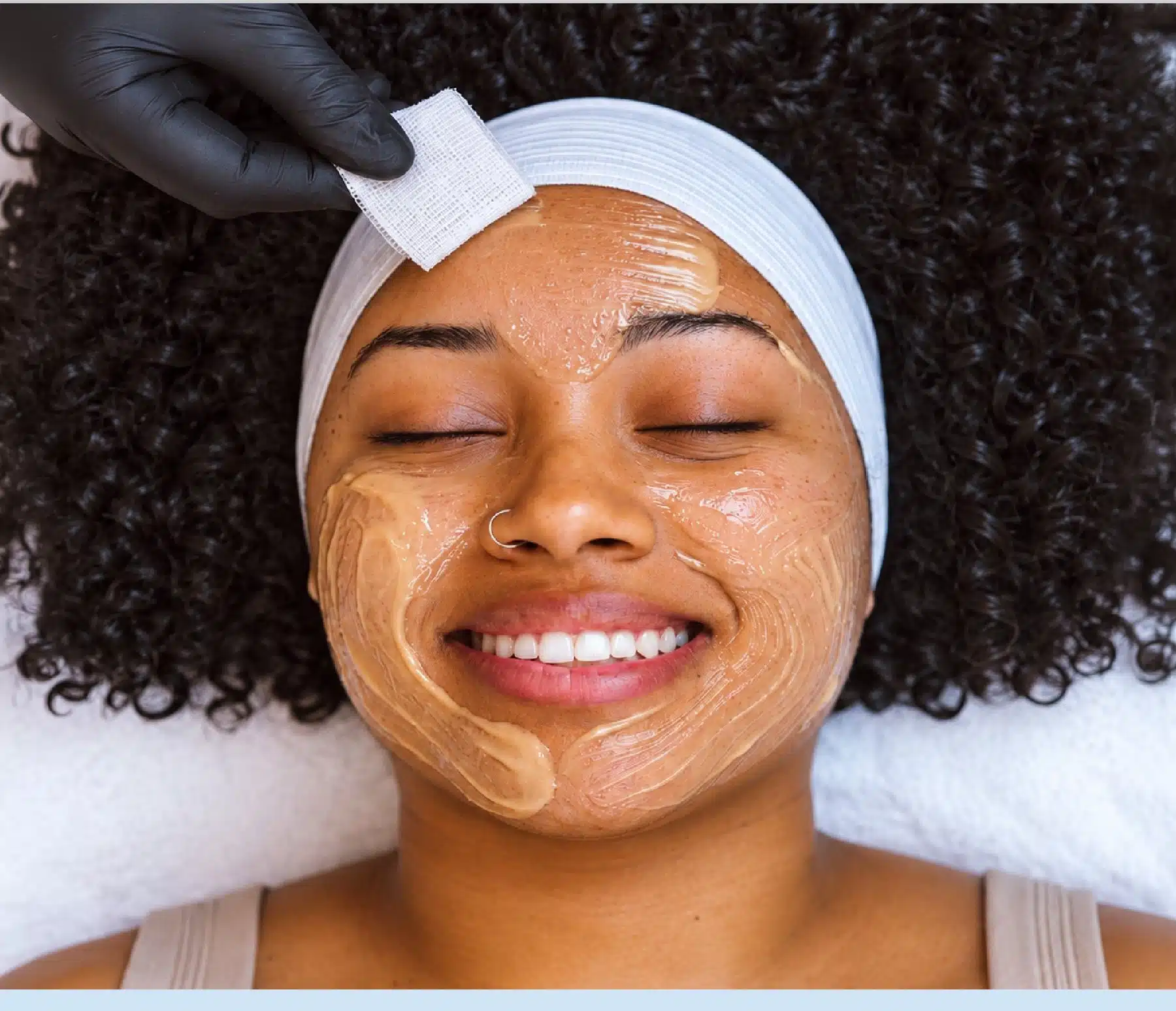
Professional brightening treatments. Professional exfoliation and brightening-focused peels accelerate cell turnover to help fade pigmentation faster than home care alone. At Silver Mirror, these are always customized to your skin tone and pigmentation type, which is what keeps them both safe and effective.
Targeted brightening ingredients. Certain actives support a more even tone over time, including vitamin C, niacinamide, and alpha hydroxy acids like glycolic acid. They work gradually to interrupt excess pigment and reveal fresher skin underneath. Patience is part of the process here.
Daily broad-spectrum SPF. This one is non-negotiable. UV exposure will darken existing spots and quietly undo everything else you’re doing. Use SPF 30 or higher every day, and reapply through the day when you’re outdoors.
Gentle, consistent exfoliation. Regular gentle exfoliation supports cell turnover and helps fade surface pigmentation. The key word is gentle. Over-exfoliating irritates the skin and can actually worsen pigmentation by triggering inflammation, so more is not better here.
How Silver Mirror Treats Hyperpigmentation
Every treatment starts with an assessment of your skin tone, your pigmentation type, and your skin’s sensitivity. That assessment is especially important with pigmentation, because the right approach for one skin tone can be wrong for another.
A customized brightening approach may include:
- Professional exfoliation matched to your skin
- Brightening-focused treatments and targeted serums
- Careful attention to your skin tone to reduce the risk of post-inflammatory hyperpigmentation
- A soothing, barrier-supporting finish
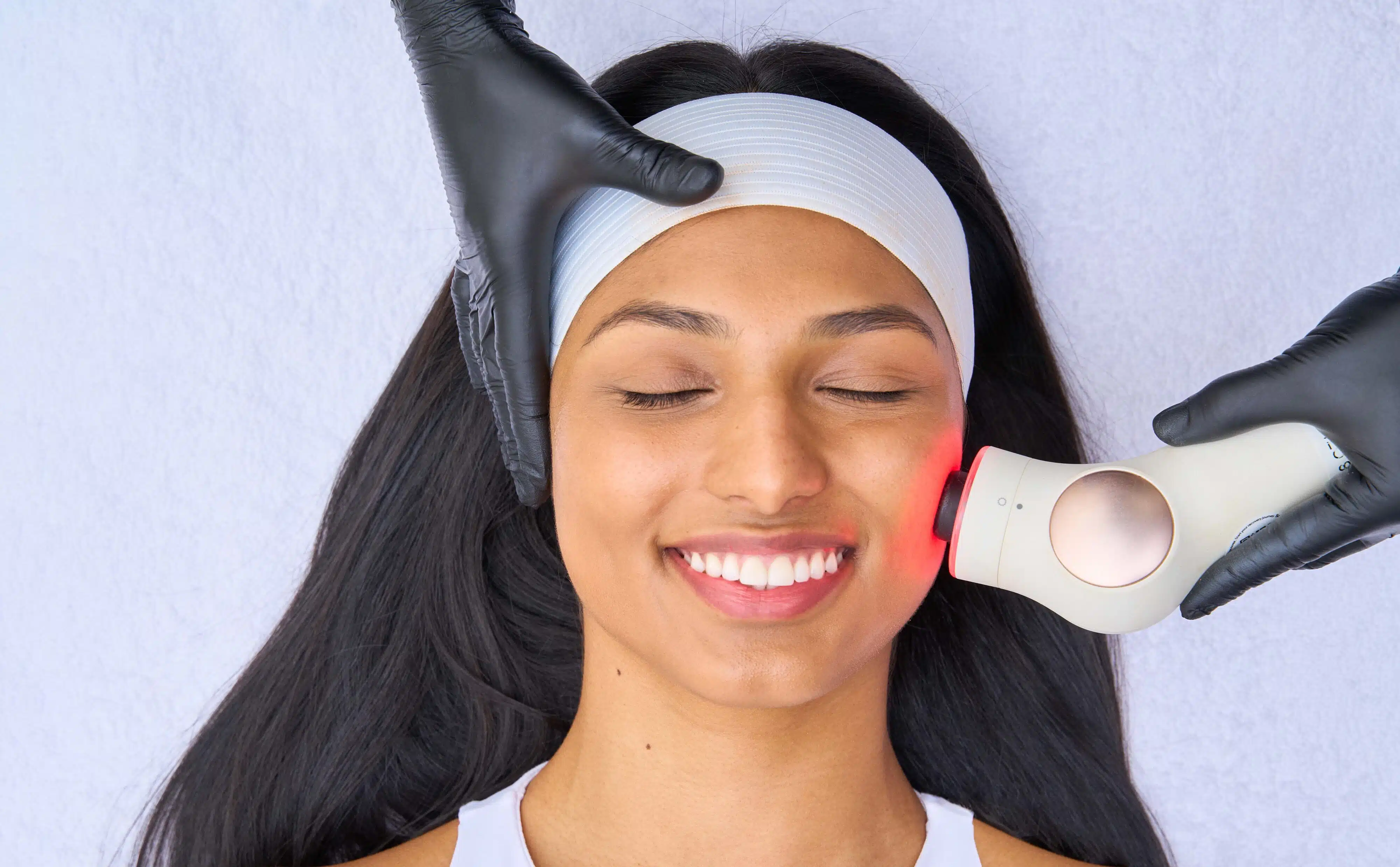
Our Hyperpigmentation Facial is built around exactly this, pairing clinical-grade exfoliation with LED therapy and vitamin C to help brighten and even the tone. Our estheticians tailor the plan to fade pigmentation safely across all skin tones, which matters because aggressive one-size-fits-all treatment is precisely what can leave deeper marks on richer skin tones.
What to Avoid If You’re Treating Dark Spots
A few common mistakes can set your progress back:
- Skipping SPF. This is the single fastest way to undo everything. No brightening routine can outpace daily unprotected sun.
- Picking at breakouts or irritated skin. This is how post-inflammatory hyperpigmentation forms in the first place, so you’d be creating new spots while trying to fade old ones.
- Harsh, aggressive DIY exfoliation. Scrubbing hard or over-using strong acids irritates the skin and can worsen tone rather than improve it.
- Expecting overnight results. This one leads to over-treating and barrier damage, which backfires. Pigmentation fades on its own timeline.
Setting Realistic Expectations
It’s worth being upfront: fading hyperpigmentation is gradual, and it typically takes consistency over weeks to months rather than days. Anyone promising instant results isn’t being straight with you.
The best outcomes come from a series of treatments paired with a steady daily routine. Consistency genuinely is the active ingredient here. Skin that’s treated regularly and protected daily improves steadily, and those results last because you’re addressing the cause alongside the appearance.
Frequently Asked Questions
Do sun spots go away on their own?
Sun spots rarely fade fully on their own. They usually improve with targeted treatment, gentle exfoliation, and consistent sun protection, which together help fade the excess pigment over time.
How long does it take to fade hyperpigmentation?
Fading is gradual and typically takes several weeks to months of consistent care. The timeline depends on how deep the pigmentation is and how consistent you are with treatment and daily SPF.
What is the best treatment for sun spots?
Professional brightening treatments combined with targeted actives like vitamin C and daily SPF are the most effective approach. A customized, tone-aware plan gives the safest, most even results.
Do I still need sunscreen in fall and winter?
Yes. Daily SPF is essential year-round to prevent existing spots from darkening and to protect the progress you’ve made. UV is present even on cool, overcast days.
Fade Sun Spots and Restore an Even Tone With Silver Mirror
Post-summer sun spots are treatable with a layered, consistent approach: professional treatment, targeted ingredients, and daily SPF working together. Fall is the ideal window to start, while the sun is gentler and you have time before next summer.
Our approach is customized and tone-aware, designed to brighten safely across all skin tones rather than applying the same aggressive protocol to everyone. If uneven tone has been frustrating you, this is the season to do something about it.
Book a Hyperpigmentation Facial, or if you’d like guidance first, book an Esthetician’s Choice facial and your esthetician will assess your skin and recommend the right brightening plan.
Was this article helpful?
Thanks for letting us know.
By