
The colder months bring a combination of low humidity, cold winds, and blasting indoor heat. These environments strip moisture from the skin and weaken its protective barrier. As a result, many people experience dryness, irritation, flaking, and a dull, tight complexion that doesn’t improve with moisturizer alone. This is often because winter dehydration isn’t just about lacking moisture, it’s about a weakened skin barrier that needs more than a single product to recover.
While there’s no shortage of hydrating products on the market, many winter routines fall short because they focus on isolated steps instead of the skin’s overall ability to retain moisture. Without a thoughtful combination of cleansing, hydration, barrier support, and professional care, skin remains vulnerable to ongoing water loss throughout the season.
At Silver Mirror, our approach to winter hydration focuses on helping the skin function better, not just feel temporarily moisturized. Our estheticians are pros at helping guests restore and maintain healthy winter skin hydration through proven, science-backed techniques and treatments. Below, we break down the most effective ways to nourish and protect your skin with expert-approved strategies that actually work.
Why Winter Skin Gets So Dehydrated
Cold air is naturally drier and has lower levels of humidity. When you step indoors, heating systems lower humidity even further, essentially pulling water from your skin throughout the day. Certain habits can make your skin even more dehydrated, including long, hot showers that strip natural oils, and the friction from scarves, hats, and heavy winter fabrics that irritate the surface of the skin. Over time, these factors weaken the skin barrier, causing water to evaporate more quickly and leaving the skin feeling tight and sensitized. Common signs of winter dehydration include:
- Flaking
- Tightness
- Rough texture
- Visible fine lines
- Irritation or heightened sensitivity
- Makeup settling unevenly or clinging to dry patches
If you’re experiencing several of these symptoms, your moisture barrier likely needs support. Supporting the skin barrier means addressing hydration from multiple angles, not relying on a single product or step to do all the work.
Esthetician-Approved Techniques for Winter Skin Hydration
1. Switch to a Hydrating, Non-Stripping Cleanser
Your cleanser sets the tone for the rest of your routine. Harsh foaming or gel cleansers may leave your skin feeling “squeaky clean,” but they also remove essential oils needed for barrier health. Instead, choose a cleanser that provides more hydration like:
- Cream cleansers
- Milk cleansers
- Gentle gels enriched with humectants
Look for ingredients like glycerin, hyaluronic acid, panthenol, ceramides, or aloe. If your skin feels tight immediately after cleansing, it’s a sign your barrier is being stripped. Starting with a gentle, hydrating cleanse helps preserve the skin’s protective layer so the rest of your routine can actually work.
2. Add Humectants for Deeper Water Replenishment
Humectants are water-attracting ingredients that draw moisture into the skin – critical in the dry winter months. Favorites among estheticians include:
- Hyaluronic acid
- Sodium hyaluronate
- Glycerin
- Panthenol
- Beta-glucan
Apply humectant-based serums on slightly damp skin to maximize water retention. This simple step can make a dramatic difference in how plump and hydrated your skin looks throughout the day. Humectants are most effective when used as part of a routine that also supports the skin barrier and prevents moisture from escaping.
3. Seal In Hydration With Ceramides, Peptides, and Lipids
Humectants pull water into the skin, but maintaining hydration long-term depends on strengthening the barrier that keeps that water from evaporating. Ingredients that reinforce the barrier, like ceramides, squalane, peptides, and fatty acids, create a protective layer that prevents moisture loss.
Apply a richer moisturizer or a nourishing oil on top of your serum to seal everything in. Without this step, humectants can actually worsen dryness by pulling water from deeper layers of the skin instead of the air.
4. Layer Hydration (Not Just Moisture)
Having truly hydrated skin involves layering both water-based and oil-based ingredients. This method works extremely well, especially in winter.
- A recommended routine:
- Hydrating toner or essence
- Gel-based hyaluronic acid serum
- Barrier-strengthening moisturizer
At Silver Mirror, our estheticians often pair complementary products for guests experiencing seasonal dryness to maximize hydration without heaviness.
5. Use Overnight Repair Masks
Nighttime is your skin’s chance to renew, making overnight masks ideal for winter dehydration. These masks minimize water loss while infusing the skin with active ingredients such as:
- Ceramides
- Hyaluronic acid
- Peptides
- Niacinamide
Overnight masks are especially beneficial for rough, irritated, or dull skin that needs intensive repair, especially when formulated with:
6. Make Room for Lipids and Oils
Lipids are essential for a strong and flexible skin barrier. Adding a face oil—especially at night—helps lock in hydration and repair dryness.
Esthetician-approved oils include:
- Squalane
- Jojoba
- Rosehip
- Marula
Even acne-prone skin types can safely use lightweight, non-comedogenic oils with proper guidance.
7. Lighten Up on Retinoids, Strong Acids, and Over-Exfoliation
Cold, dry skin is less tolerant of aggressive active ingredients. If you notice increased sensitivity, it may be time to reduce your use of:
- Retinoids
- Glycolic acid
- Lactic acid
- Physical scrubs
Try “buffering” retinoids by mixing them with moisturizer and look out for signs of overuse such as stinging, burning, or redness.
8. Invest in Professional Winter Facials
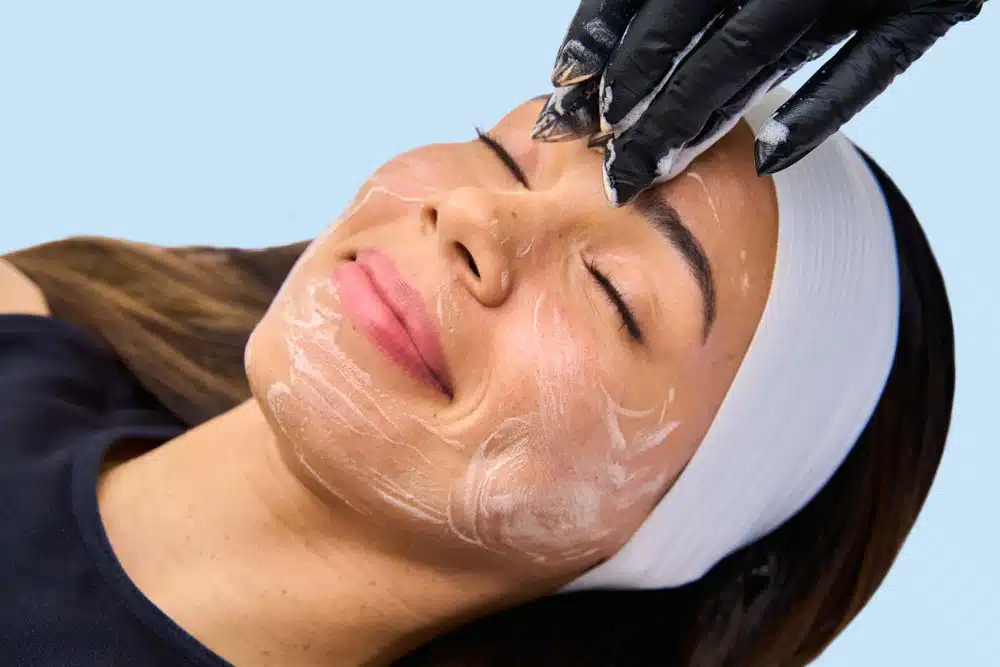
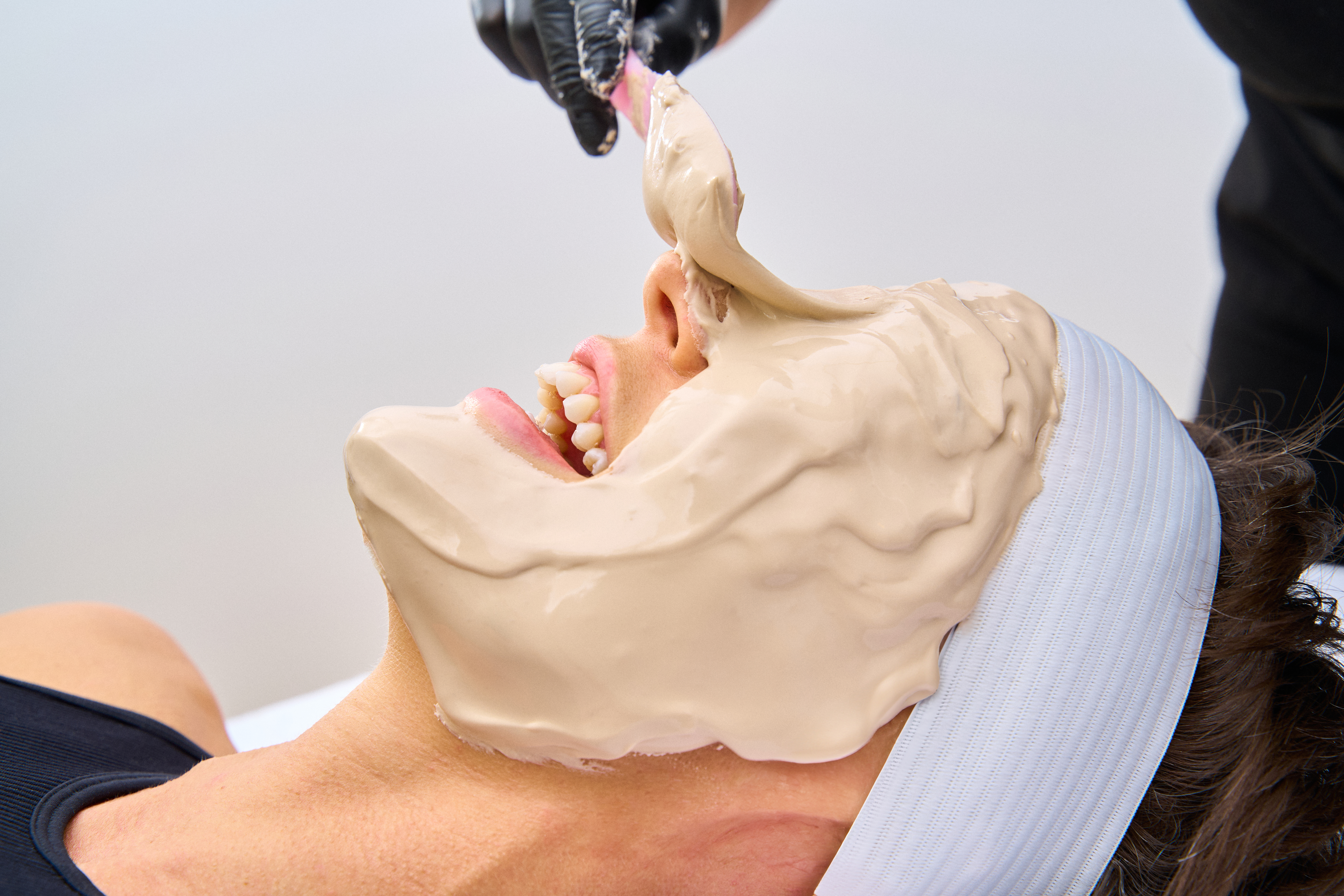
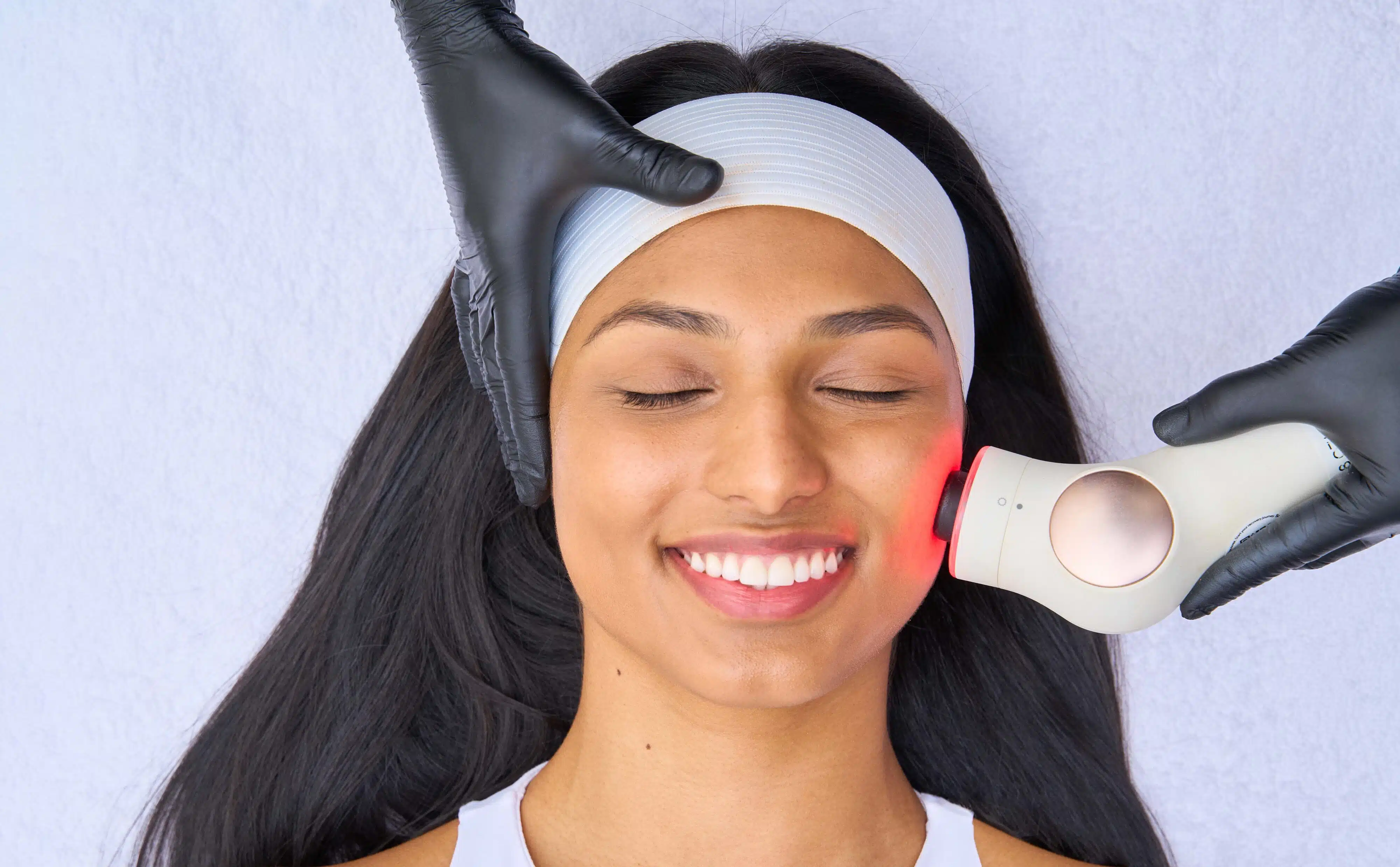
Sometimes home care alone isn’t enough — especially when the skin’s barrier has been compromised by prolonged cold exposure. Professional facials provide the deeper exfoliation, hydration, and calming support needed to help skin recover and respond better to daily products.
- Jelly Masks
- Oxygen therapy
- LED light therapy for calming inflammation
- Nourishing serums and winter-specific masks
- BioRePeel
For best results, schedule facials every 4–6 weeks to keep your skin consistently hydrated and glowing.
9. Use a Humidifier at Home
Indoor heating dramatically dries out the air, making humidifiers one of the easiest winter hydration hacks. Use one daily—especially at night—to maintain a skin-friendly environment. Additional tips:
- Lower indoor heat when possible
- Limit long, hot showers
- Keep bedroom doors closed to contain humidity
These small adjustments can significantly reduce overnight water loss.
10. Hydrate From the Inside
People usually drink less water during the winter so staying hydrated internally supports skin moisture levels and repair processes. Boost your hydration with:
- Daily water intake
- Electrolyte-enhanced beverages
- Omega-rich foods (salmon, chia, walnuts)
- Antioxidant-rich fruits and vegetables
- Internal hydration is an essential complement to topical skincare.
Winter-Proof Your Skin at Silver Mirror With Hydrating Facials
Winter dryness doesn’t have to be inevitable. When hydration, barrier support, and seasonal adjustments work together, skin is better equipped to retain moisture, stay comfortable, and maintain a healthy glow. Silver Mirror estheticians specialize in winter skin hydration and take a comprehensive approach to restoring balance based on your individual skin needs.
If your skin hasn’t responded to moisturizer alone, professional care may be the missing step. Book a facial at Silver Mirror and experience expert-guided hydration designed to support your skin all winter long.
By